NEWS & REVIEWS
Stay up to date with C&B News.
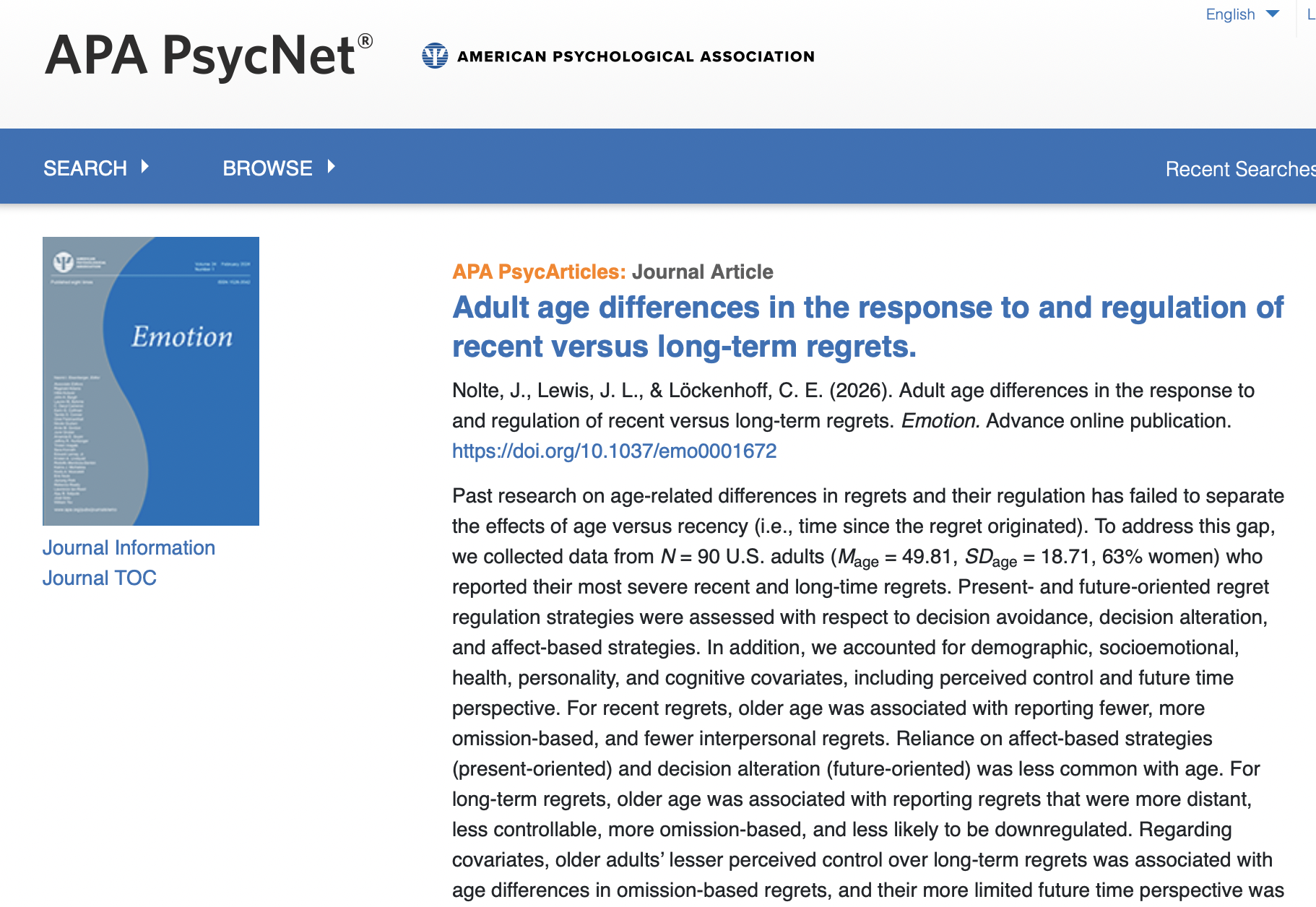
Adult Age Differences in the Response to and Regulation of Recent Versus Long-Term Regrets
As guidance to all of us, Nolte, Lewis, and Löckenhoff studied 90 U.S. adults ages 21 to 89 to examine how people of different ages experience and manage recent versus long-term regrets. They found that older adults reported fewer recent regrets and less intense negative emotions such as anger, and they were more likely to regret opportunities they had not taken rather than actions they wished they had avoided. The findings suggest that the emotional experience of regret changes with age, although the authors caution that some differences could reflect generational differences rather than aging itself.
Nolte, J., Lewis, J. L., & Löckenhoff, C. E. (2026). Adult age differences in the response to and regulation of recent versus long-term regrets. Emotion. Advance online publication. https://doi.org/10.1037/emo0001672
Jeannine Monnier, Ph.D.
#PsychologyResearch #HealthyAging #EmotionalWellbeing #Regret #LifespanDevelopment
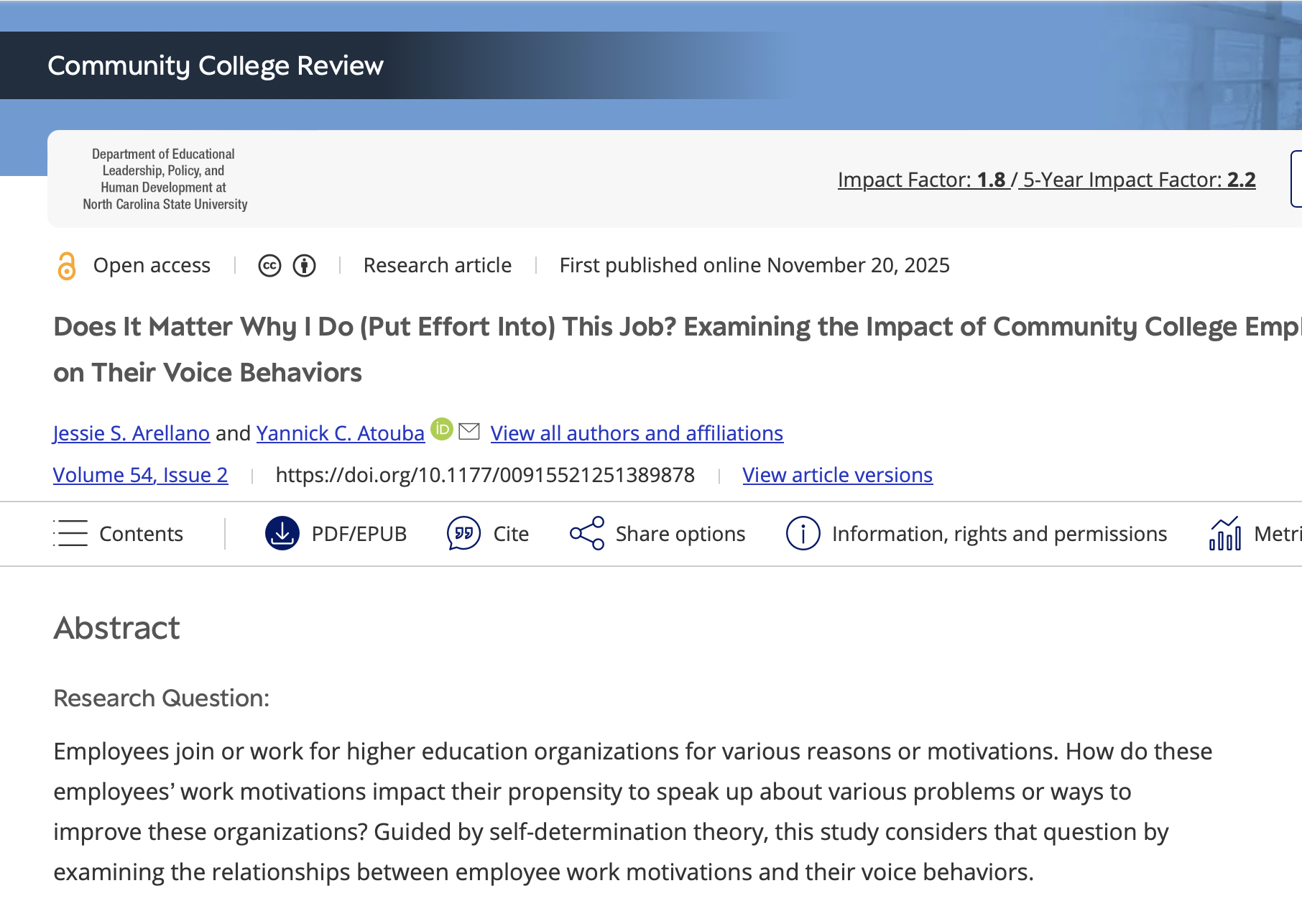
Does It Matter Why I Do (Put Effort Into) This Job? Examining the Impact of Community College Employees’ Work Motivations on Their Voice Behaviors
Arellano and Atouba examined whether why employees are motivated to work influences their willingness to speak up with ideas or concerns. They surveyed 811 employees at a community college in the southwestern United States and found that employees who were intrinsically motivated, meaning they found the work itself interesting or satisfying, were more likely to raise concerns about problems as well as suggest improvements; employees who felt their work had personal meaning were also more likely to offer constructive suggestions.
Arellano, J. S., & Atouba, Y. C. (2026). Does it matter why I do (put effort into) this job? Examining the impact of community college employees’ work motivations on their voice behaviors. Community College Review, 54(2), 141–165.
Read the article here: https://doi.org/10.1177/00915521251389878
Jeannine Monnier, Ph.D.
#EmployeeEngagement #WorkplaceMotivation #Leadership #WorkplaceCulture #OrganizationalBehavior
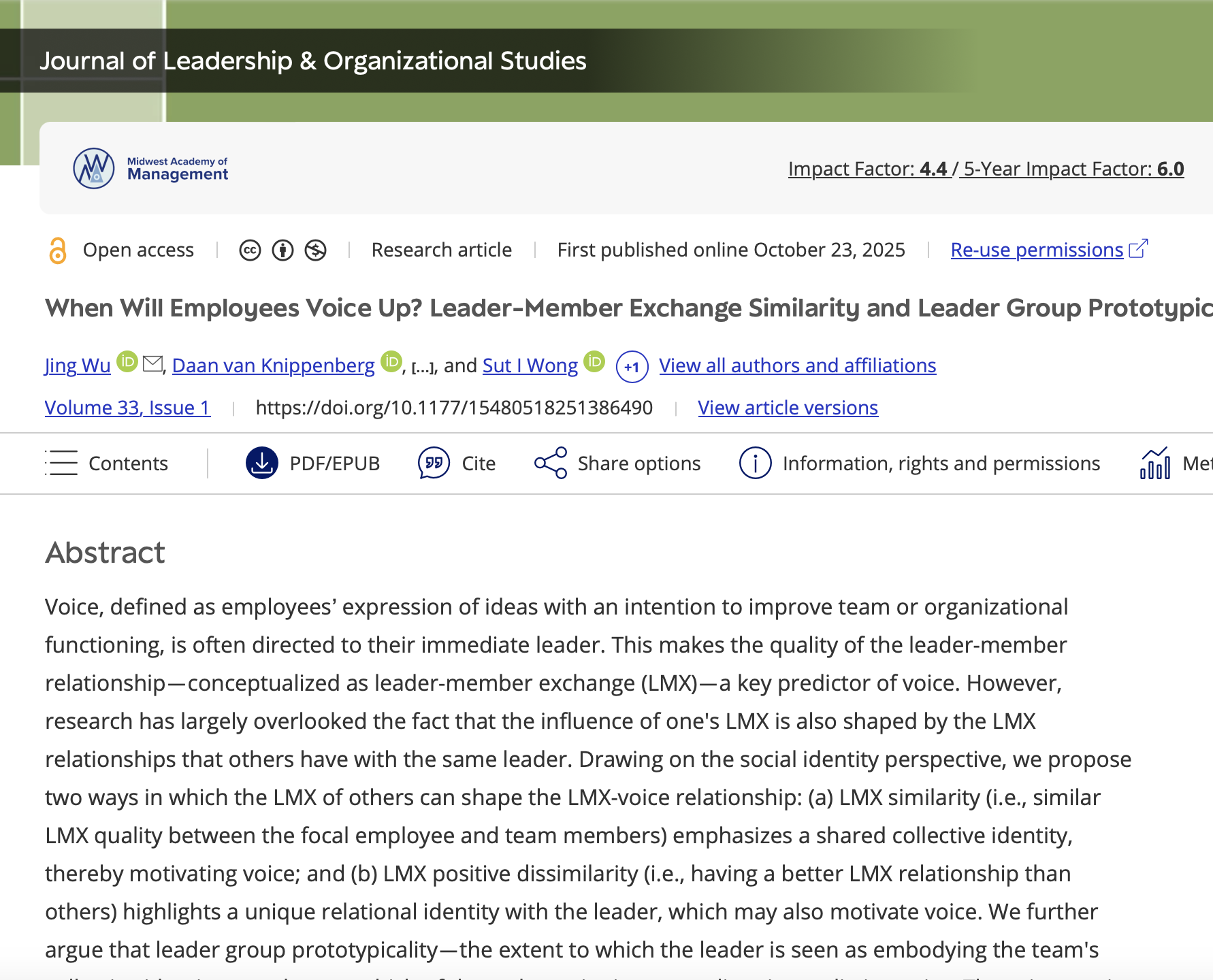
When Will Employees Voice Up? Leader-Member Exchange Similarity and Leader Group Prototypicality
Wu, J., van Knippenberg, D., Giessner, S. R., & Wong, S. I. (2026). When will employees voice up? Leader-member exchange similarity and leader group prototypicality. Journal of Leadership & Organizational Studies, 33(1), 114–133.
In their article, Wu, van Knippenberg, Giessner, and Wong found that employees are more likely to speak up when they feel secure in their relationship with their manager or when they are confident in their place within the team. The authors show that which source of confidence matters (i.e., their place on the team or their personal relationship with the manager) more depends on how strongly the manager is seen as representing the team. Their findings suggest this is especially important when employees are raising concerns or pointing out problems, since those conversations can feel more socially risky.
Read the article here: https://doi.org/10.1177/15480518251386490
Jeannine Monnier, Ph.D.
#Leadership #EmployeeEngagement #WorkplaceCulture #Management #OrganizationalBehavior
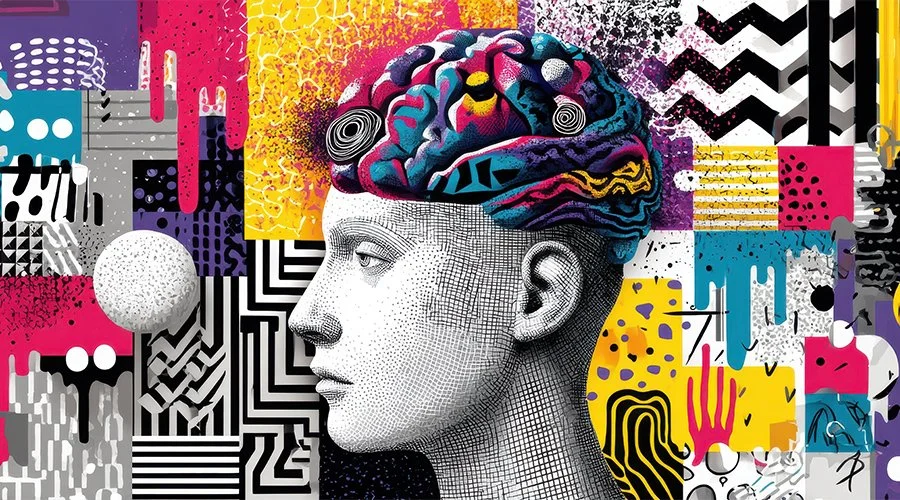
The Science of Creativity: How to Train Your Brain for Innovative Thinking
This article argues that creativity isn't something you're born with, but a skill you can develop. Drawing on neuroscience, it explains how the brain generates innovative ideas and offers practical strategies, such as trying new experiences, exercising, practicing mindfulness, and embracing challenges, to strengthen creative thinking and unlock fresh perspectives.
Cindy Carter, Ph.D.
Read the article: https://lpsonline.sas.upenn.edu/features/science-creativity-how-train-your-brain-innovative-thinking
#Creativity #CreativeThinking #BrainHealth #Mindfulness #PersonalGrowth

Nurtured by Nature
Another beautiful day in Charleston! Nature is an important part of mental health. Get out and enjoy it!
Jeannine Monnier, Ph.D.
Read the article: https://www.apa.org/monitor/2020/04/nurtured-nature
#MentalHealth #NatureAndMentalHealth #CharlestonSC #MentalWellness #GetOutside

How Charleston Became a Magnet for Creative Entrepreneurs
In this London Business School podcast "Influence, Authority and the New Psychology of Leadership," the speakers discuss how effective leadership has evolved in today's fast-changing and uncertain work environment. They explain that while people often look for confident, decisive leaders during times of uncertainty, long-term success depends on building trust, communicating openly, and empowering others rather than relying solely on authority.
The podcast emphasizes that great leaders adapt their leadership style to fit different situations, balancing clear direction with collaboration and empathy. Overall, the key message is that modern leadership is built on trust, transparency, and the ability to help teams succeed together, rather than simply directing people from the top.
Cindy Carter, Ph.D.
Read the article:https://www.london.edu/think/psychology-of-leadership
#LeadershipPsychology #LeadershipDevelopment #TrustInLeadership #WorkplaceLeadership #OrganizationalPsychology
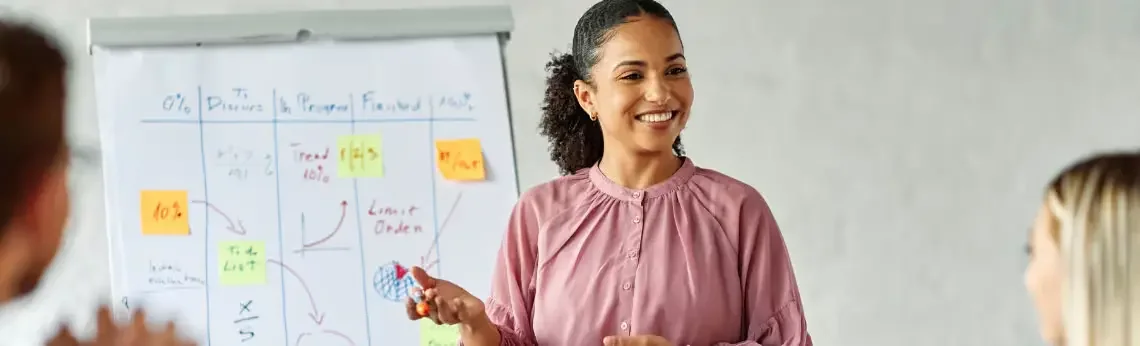
Influence, Authority, and the New Psychology of Leadership
In this London Business School podcast "Influence, Authority and the New Psychology of Leadership," the speakers discuss how effective leadership has evolved in today's fast-changing and uncertain work environment. They explain that while people often look for confident, decisive leaders during times of uncertainty, long-term success depends on building trust, communicating openly, and empowering others rather than relying solely on authority.
The podcast emphasizes that great leaders adapt their leadership style to fit different situations, balancing clear direction with collaboration and empathy. Overall, the key message is that modern leadership is built on trust, transparency, and the ability to help teams succeed together, rather than simply directing people from the top.
Cindy Carter, Ph.D.
Read the article:https://www.london.edu/think/psychology-of-leadership
#LeadershipPsychology #LeadershipDevelopment #TrustInLeadership #WorkplaceLeadership #OrganizationalPsychology
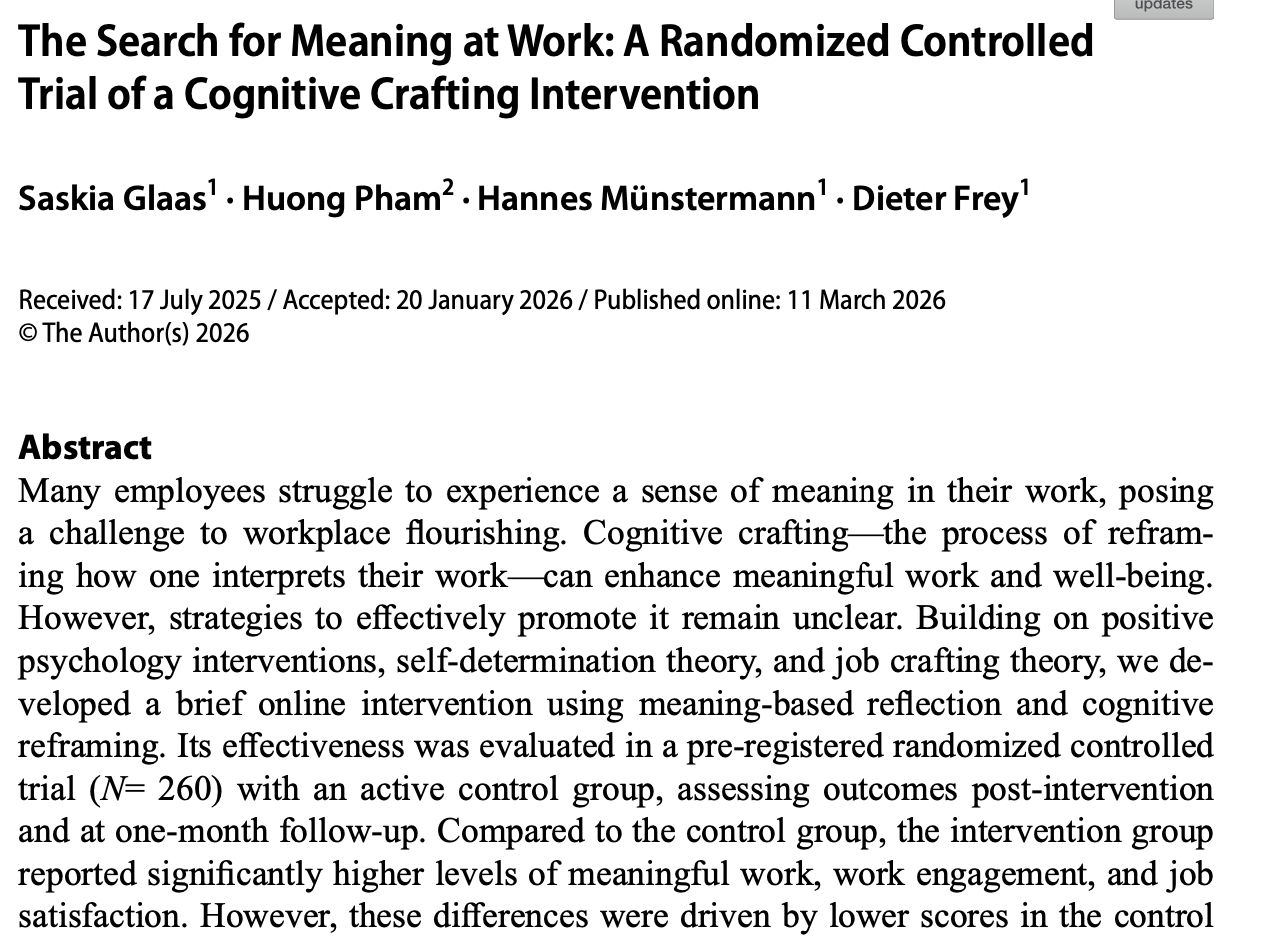
The Search for Meaning at Work: A Randomized Controlled Trial of a Cognitive Crafting Intervention
The Search for Meaning at Work: A Randomized Controlled Trial of a Cognitive Crafting Intervention
This article explores whether a cognitive crafting intervention can help employees find greater meaning in their work. Cognitive crafting is a work-place specific process of changing how people think about and interpret their jobs—for example, by focusing on how their work contributes to others, aligns with their personal values, or serves a larger purpose, rather than changing the job itself. The researchers tested a reflection-based intervention that encouraged employees to view their work in more meaningful ways. While the intervention helped maintain employees' sense of meaningful work, work engagement, and job satisfaction compared with a control group, the results also showed that designing effective cognitive crafting interventions is complex and requires further research. Overall, the study suggests that changing how employees perceive their work may support workplace well-being.
Cindy Carter, Ph.D.
Read the article:https://link.springer.com/article/10.1007/s41042-026-00274-0
#MeaningfulWork #WorkplaceWellBeing #PsychologyAtWork #EmployeeWellBeing #CognitiveBehavioralTherapy

Researchers Unlock the Science of Team Potential with 40 Questions
The article Personnel Psychology’s 40-Questions Series: The Science and Practice of Groups and Teams summarizes current research on what makes workplace teams effective. The authors answer 40 common questions about topics such as team design, leadership, communication, diversity, conflict, and team performance. They also discuss modern workplace issues, including remote and hybrid work and the growing use of artificial intelligence in teams.
The article emphasizes that successful teams require clear goals, strong leadership, trust, and effective collaboration. By combining research findings with practical recommendations, it serves as a useful resource for managers, HR professionals, students, and researchers who want to better understand how teams can perform at their best.
Cindy Carter, Ph.D.
Link here- https://www.cmu.edu/tepper/news/stories/Researchers-Unlock-Science-of-Team-Potential
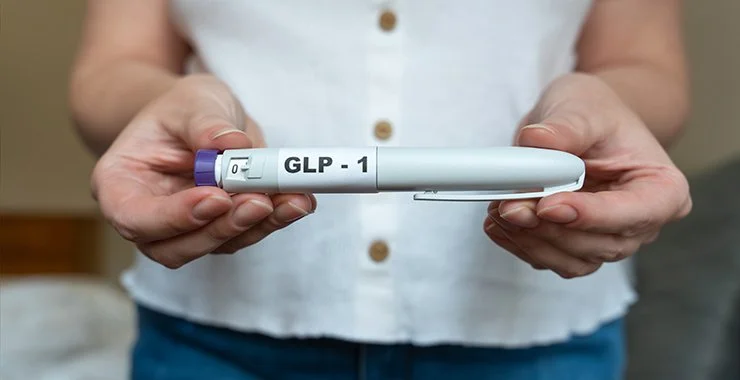
Navigating GLP-1 Use in Therapy
GLP-1’s have become commonplace in our communities and in our clinical work. Understanding the psychological implications of the use of these medications is important for clinicians. Additionally, understanding how to support clients in their health journeys includes understanding how these medications are related to behavior change. Zara Abrams, in a recent article in the APA's Monitor on Psychology, explores this topic.
Jeannine Monnier, Ph.D.
Link here- https://www.apa.org/monitor/2026/06/navigating-glp-use-therapy
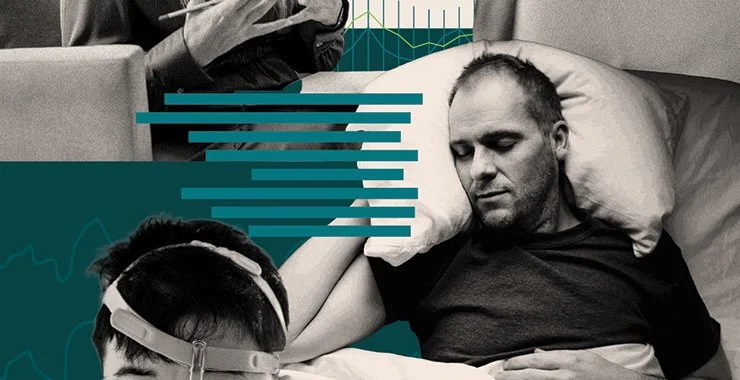
The New Science of Sleep
Sleep is an important piece of the wellness puzzle. In this article in the APA's Monitor on Psychology, Kirsten Weir discusses our increasing understanding of the bidirectional relationship between mental health and sleep. She discusses interesting new approaches to sleep disorders such as insomnia and sleep apnea.
Link here- https://www.apa.org/monitor/2026/06/sleep-brain-mental-health
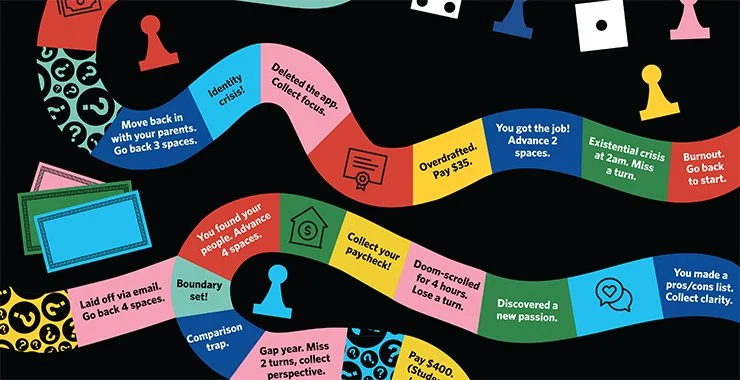
How to Support Young People on the Road to Adulthood
As our world changes, development milestones also change. Perhaps these changes are most notable in the transition from adolescence and adulthood. Historically, this phase of life has been signaled by a quick move from being dependent on parents to being financially and residentially independent from parents. Times have changed and people are spending extended periods of time in a place between these two points on the development continuum. This time period has been labelled as “emerging adulthood’ and the study of this phase is expanding. Zara Abrams, in a recent article in the APA's Monitor on Psychology, describes recent research in this area and how psychologists are helping to support people through this transition.
Jeannine Monnier Ph.D.
Link here- https://www.apa.org/monitor/2026/06/emerging-adulthood-housing-labor-market-climate
APA Labs Launches Resource to Guide Clinicians, Health Systems, and the Public to Evidence-Based Digital Mental Health Tools
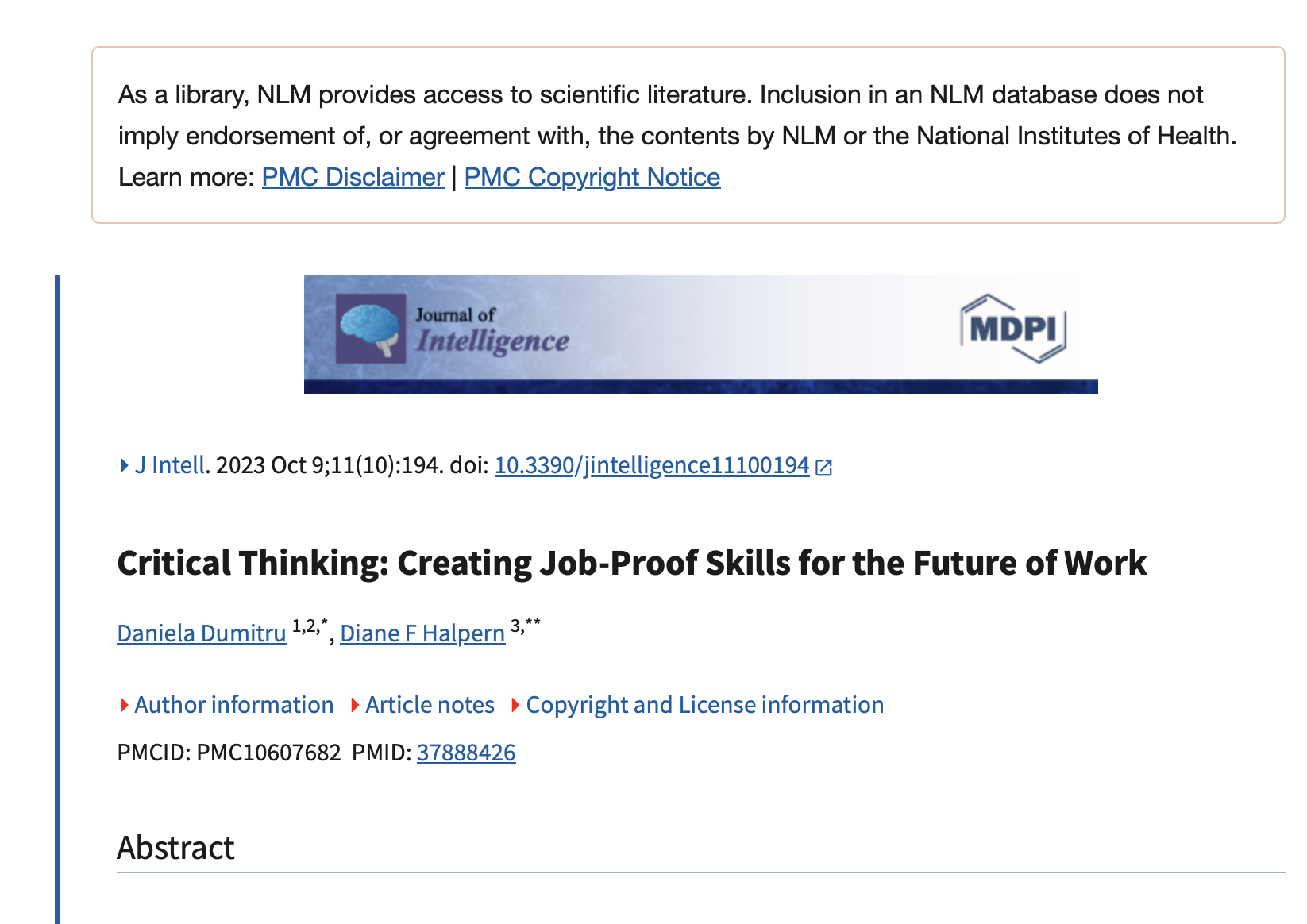
This study examines how AI is reshaping the job market and argues that critical thinking is becoming essential as automation disrupts many professions. While AI can replace or assist in technical tasks, it can also make errors, making human oversight crucial.
It highlights “job-proof” skills—like critical thinking, problem-solving, and ethics—as key to staying relevant. The study also notes a gap between employer demand for these skills and graduates’ preparedness, emphasizing the need for education systems to better teach them for both workforce success and informed citizenship.
Cindy L. Carter, Ph.D.
Link here- https://pmc.ncbi.nlm.nih.gov/articles/PMC10607682/
Critical Thinking: Creating Job-Proof Skills for the Future of Work
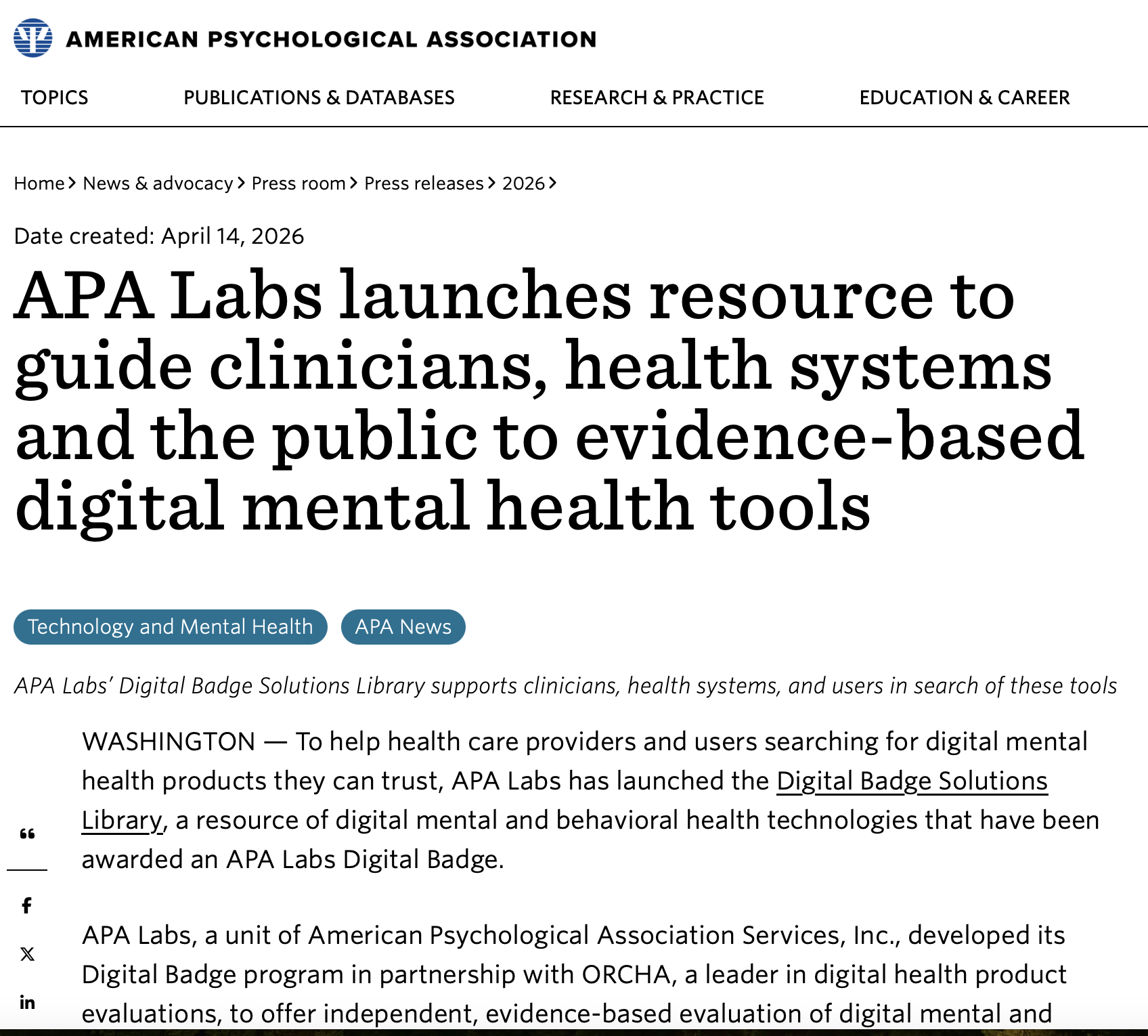
APA Labs launched the Digital Badge Solutions Library, a searchable list of mental health apps vetted for safety, privacy, and evidence-based quality. Developed with ORCHA, it helps clinicians and users quickly find trustworthy digital tools in a crowded market. As more apps are evaluated, the platform is expected to grow and set clearer benchmarks for quality and best practices in digital mental health.
Cindy L. Carter, Ph.D.
Link here- https://www.apa.org/news/press/releases/2026/04/digital-badge-solutions-library
FDA Fast-Tracks Psychedelic Therapies for Depression, PTSD, and Alcohol Use Disorder (Copy)
The FDA is accelerating the development of psychedelic therapies for serious mental illnesses by issuing priority review vouchers, approving early-stage trials, and preparing new research guidelines. These efforts target conditions like depression and PTSD, where current treatments are limited. It also approved the first U.S. trial of an ibogaine-derived drug for alcohol use disorder.
The move reflects stronger federal support but also emphasizes stricter scientific standards. Overall, the FDA is speeding up progress while aiming to ensure safety and reliable evidence.
Cindy L. Carter, Ph.D.

Suicide among young Americans declines in first years of 988 hotline
A study found the 988 crisis hotline is linked to an 11% drop in U.S. suicide deaths among teens and young adults—about 4,400 fewer deaths since 2022. While researchers cannot prove the hotline alone caused the decline, evidence suggests it played a major role, especially in states with higher call usage. Experts say the service helps de-escalate crises and connect individuals to care, though it is not a complete solution. They also argue that continued funding and expansion will be needed to better understand the hotline's impact.
Cindy L. Carter, Ph.D.

How Psychologists Can Spot Red Flags in Mental Health Apps
Public interest in mental health apps has increased as quickly as the creation of these apps. Not all apps, however, are created equal. This article by Anna Medaris in the American Psychological Association’s Monitor on Psychology helps to educate the reader on what to look for and what to look out for in such apps. In particular, people should be looking for apps that clearly explain what they do with your data and that have safeguards related to privacy. Potential app-users should also look for a digital badge from APA Labs that signal that certain criteria have been met in regard to such concerns as clinical usefulness and user safety. Also, the article notes the importance of discussing your mental health app use with your mental health provider to increase the likelihood of that you are using apps that will be most beneficial.
Jeannine Monnier, Ph.D.
https://www.apa.org/monitor/2026/03/red-flags-mental-health-apps
#MentalHealthApps #DigitalWellness #MentalHealthAwareness #PrivacyMatters #SafeTech
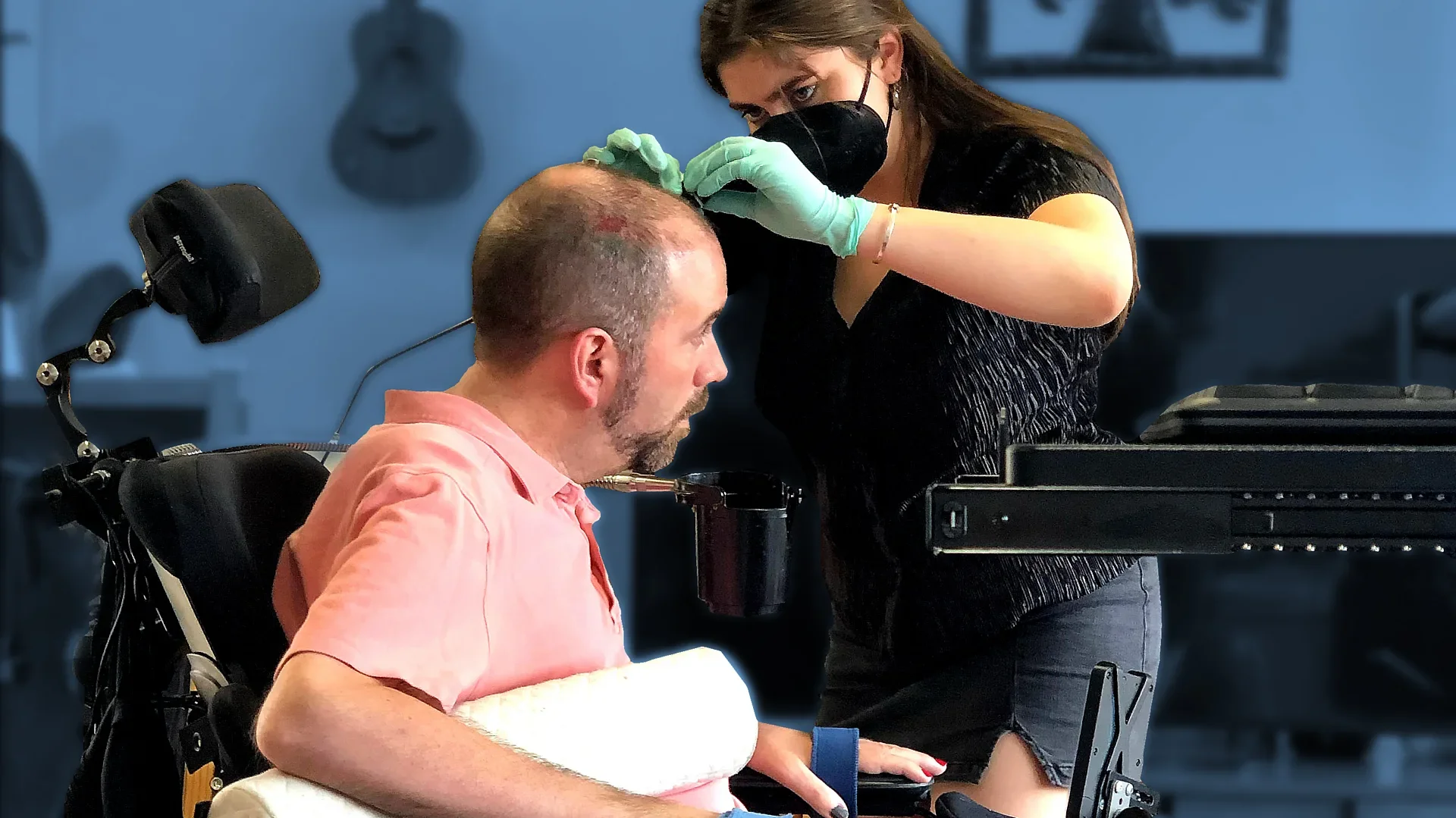
How AI Can Read Our Scrambled Inner Thoughts
Scientists are developing models to predict thoughts, images and sounds that are produced in the brain through the use of artificial intelligence and electrodes attached to the brain. The science is evolving rapidly with the promise of helping those with conditions such as ALS, where speech has become impossible due to motor deterioration, to be able to share their thoughts with others. Similar technologies are advancing to assist with understanding what people are seeing and hearing in their mind.
Jeannine Monnier, Ph.D.
https://www.bbc.com/future/article/20260226-how-ai-can-read-your-thoughts
#Neurotechnology #AIinHealthcare #BrainComputerInterface #ALSawareness #FutureOfMedicine
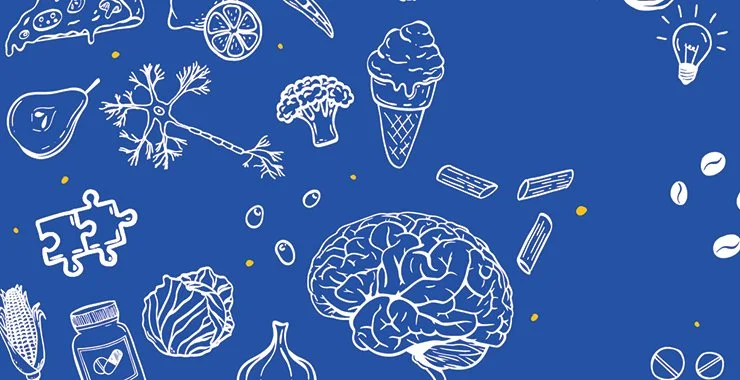
We Are What We Eat
You are what you eat! Research is supporting this battle cry. Recent studies have demonstrated the relationship between healthy eating (e.g., non-processed foods) and improvements in mood, sleep and anxiety. This article by Zara Abrams published in the American Psychological Association’s Monitor on Psychology provides the science behind the positive relationship between nutrition and mental health.
Jeannine Monnier, Ph.D.
https://mail.google.com/mail/u/0/#search/j.monnier%40cbhealthcenter.com/FMfcgzQfCDQjDjWfFnJHLcjmgxjkRrxC
#NutritionAndMentalHealth #EatForYourMood #MentalHealthMatters #HealthyHabits #MindBodyConnection
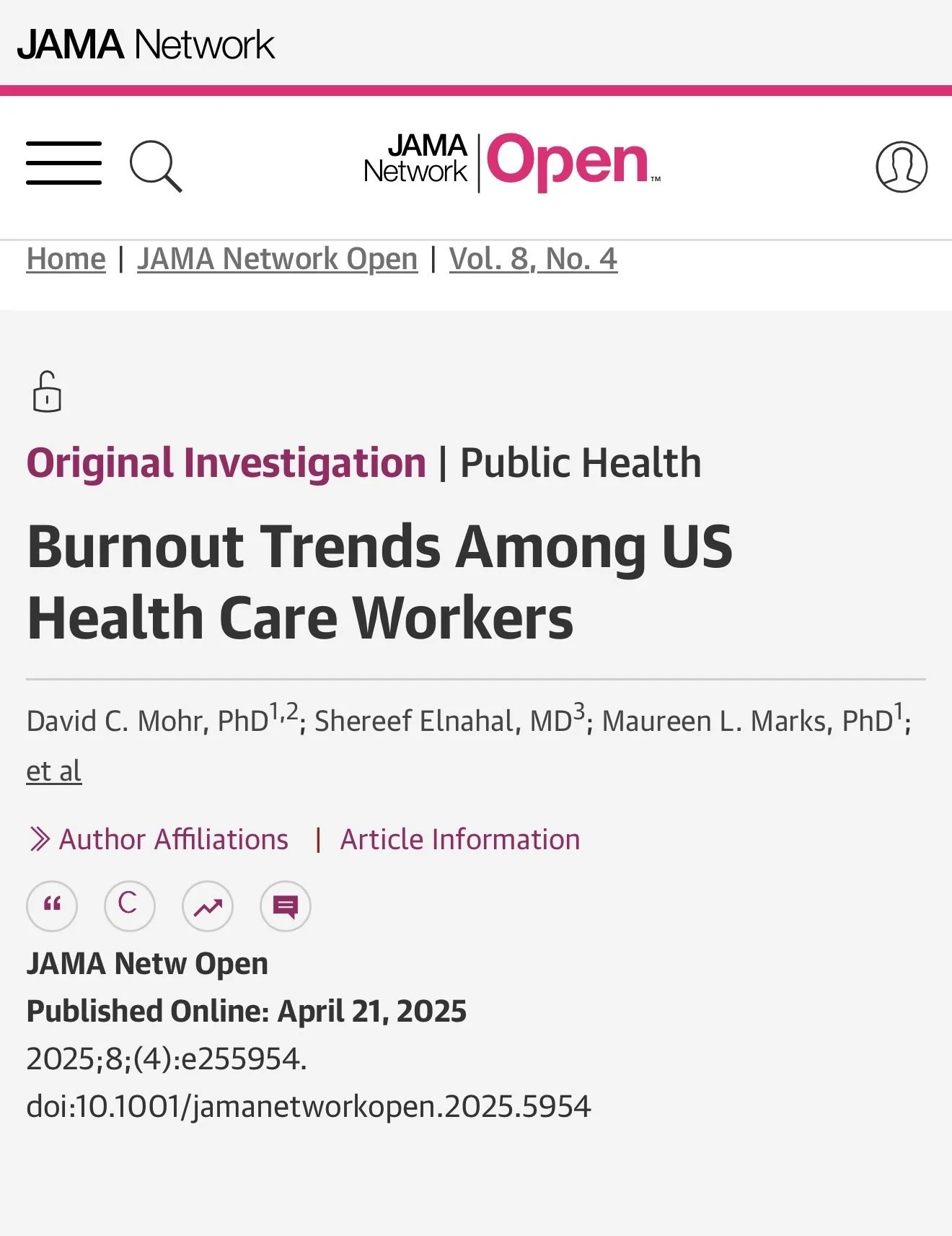
Burnout Trends Among US Health Care Workers
This study, published in JAMA, examines burnout among healthcare professionals and highlights important trends that have implications for workforce stability and patient care. This article reinforces that burnout is not simply an individual resilience issue, but reflects structural pressures within healthcare delivery. For those working in clinical practice, healthcare leadership and behavioral health, these data add important context to ongoing conversations about quality outcomes.
Cindy Carter, Ph.D.
https://jamanetwork.com/journals/jamanetworkopen/fullarticle/2833027
#HealthcareBurnout #HealthcareWorkforce #PatientCareQuality #BehavioralHealth #HealthSystemChallenges